Newsletter Subscribe
Enter your email address below and subscribe to our newsletter

 ByJohn A
Modern server rooms house critical IT infrastructure that supports business operations, data management, communication systems, and cloud-based applications. These environments are designed to maintain optimal temperature and humidity levels, but air quality is often overlooked. While dust and particulate matter receive significant attention, airborne chemical contaminants can pose an equally serious threat to sensitive electronic equipment.
Chemical pollutants present in indoor and outdoor air can infiltrate server rooms and gradually affect electronic components. Over time, these contaminants may contribute to corrosion, equipment degradation, and system failures. Implementing effective chemical filtration solutions can help protect valuable assets, improve operational reliability, and extend equipment lifespan.
This article explores the importance of chemical filtration in server rooms and explains how it contributes to maintaining a clean and stable environment for critical technology systems.
Server rooms require controlled environmental conditions to ensure uninterrupted performance. Most organizations focus on temperature regulation and humidity control, but airborne contaminants can be just as damaging.
Air entering a facility may contain various pollutants such as:
These contaminants can accumulate over time and interact with electronic circuitry. Even low concentrations may contribute to corrosion on metal surfaces and connectors.
Maintaining high indoor air quality helps reduce the likelihood of contamination-related equipment issues and supports long-term infrastructure reliability.
Corrosive gases are airborne chemical substances that react with metal surfaces. Common examples include sulfur dioxide, hydrogen sulfide, and chlorine-based compounds.
When these gases enter server rooms, they can react with copper, silver, and other conductive materials found in electronic equipment. This reaction may create corrosion products that interfere with electrical conductivity and component performance.
Chemical contaminants can originate from multiple sources, including:
Facilities located near industrial zones may face elevated contamination risks. However, even office environments can experience pollutant accumulation if proper filtration systems are not in place.
Chemical filtration removes gaseous contaminants from the air before they can reach sensitive equipment.
Unlike traditional particulate filters that capture dust and debris, chemical filtration systems are designed specifically to target harmful gases and molecular contaminants.
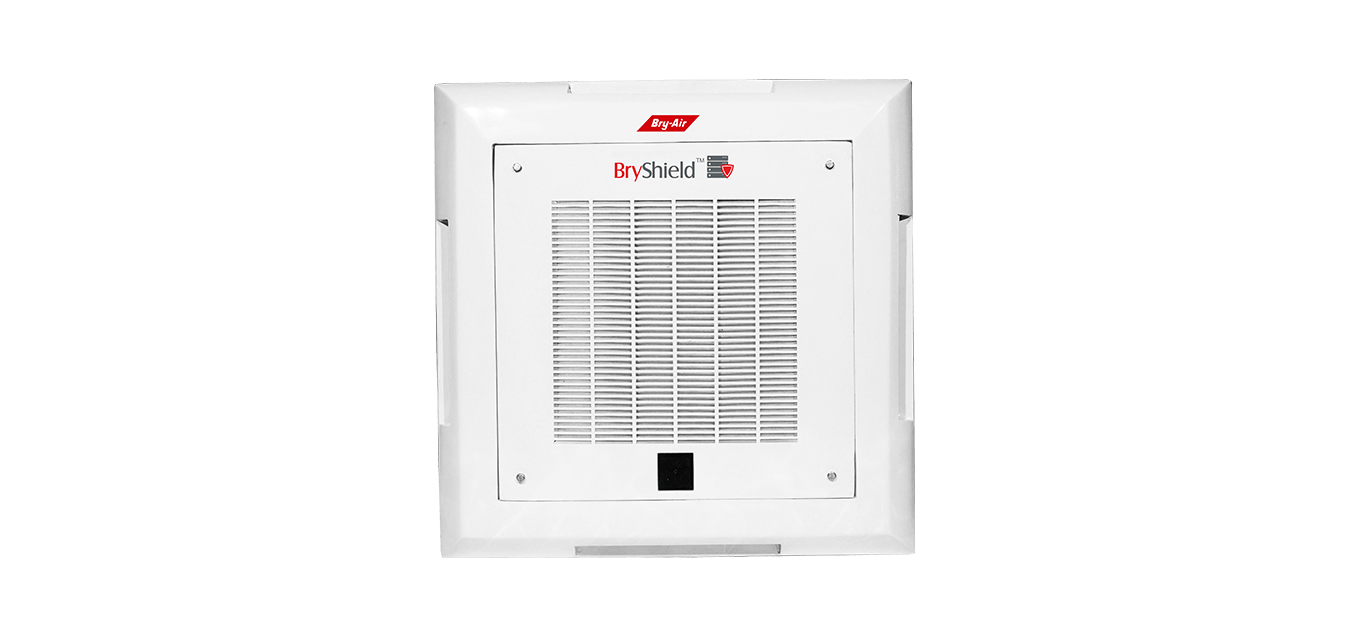
One effective solution is the use of specialized Chemical Filter systems that are engineered to capture corrosive gases and protect electronic environments from contamination.
These systems operate by drawing contaminated air through filtration media capable of adsorbing or chemically reacting with harmful pollutants. As air passes through the filter, contaminants are removed, allowing cleaner air to circulate throughout the server room.
One of the most important benefits of chemical filtration is corrosion prevention.
Electronic components contain delicate metallic surfaces that can deteriorate when exposed to corrosive gases. Filtration systems help minimize exposure to these contaminants, reducing the risk of corrosion-related failures.
Server downtime can lead to operational disruptions and financial losses. By reducing airborne contaminants, chemical filtration supports consistent equipment performance and lowers the likelihood of unexpected failures.
Corrosion and contamination accelerate wear on electronic components. Cleaner air conditions help preserve hardware integrity, potentially extending the service life of servers, networking equipment, and storage systems.
Contamination-related issues often require troubleshooting, repairs, or component replacement. Effective filtration can reduce maintenance demands by preventing many of these problems before they occur.
Chemical filtration complements temperature and humidity management systems by addressing an additional environmental risk factor. Together, these measures create a more stable operating environment for sensitive technology assets.
Chemical filtration systems rely on specially engineered media to capture gaseous contaminants.
High-performance Chemical Media contains active materials that adsorb or neutralize harmful gases as air passes through the filtration system.
The effectiveness of a filtration system depends significantly on the quality and composition of the media used. Different media formulations are designed to target specific contaminants, making proper selection an important consideration for server room protection.
Several factors influence chemical media efficiency:
Regular monitoring and maintenance help ensure continued filtration performance over time.
Organizations may not immediately recognize the presence of airborne chemical contaminants. However, several warning signs can indicate a developing issue.
Discoloration or tarnishing on metal components may suggest exposure to corrosive gases.
Repeated failures involving connectors, circuit boards, or electrical contacts may indicate contamination-related degradation.
Unexpected outages or performance issues can sometimes result from corrosion affecting critical electronic connections.
Facilities that monitor airborne contaminants may detect elevated pollutant levels before visible damage occurs.
Identifying these warning signs early allows organizations to take corrective action and prevent more extensive equipment damage.
The first step in selecting a filtration system is understanding the contamination risks specific to the facility’s location and operating environment.
Factors to evaluate include:
Different contaminants require different filtration approaches. Selecting a solution designed for server room applications ensures optimal protection against electronic corrosion.
As IT infrastructure grows, filtration requirements may change. Scalable solutions provide flexibility for future expansion without compromising environmental protection.
Even the most advanced filtration systems require routine inspection and maintenance. Monitoring filter performance and replacing media when necessary helps maintain consistent protection.
Business continuity depends heavily on the reliability of digital infrastructure. Server rooms support critical applications, data storage, communication systems, and operational processes.
Chemical contamination introduces a hidden risk that may not become apparent until equipment performance is affected. By reducing exposure to corrosive gases, chemical filtration helps maintain stable operating conditions and supports uninterrupted business operations.
Organizations that proactively address air quality concerns can reduce the likelihood of costly downtime, equipment replacement expenses, and operational disruptions.
Chemical contamination represents a significant but often underestimated threat to server room environments. Corrosive gases and airborne pollutants can gradually damage sensitive electronic equipment, leading to reliability issues, increased maintenance requirements, and reduced hardware lifespan.
Chemical filtration provides an effective solution for removing harmful gaseous contaminants before they reach critical infrastructure. By incorporating specialized filtration technologies and high-performance chemical media, organizations can create cleaner operating environments that support long-term equipment reliability and business continuity.
For facilities seeking advanced air quality solutions for server rooms and other critical environments, Bry-Air offers specialized technologies designed to protect sensitive electronic systems from airborne chemical contaminants and corrosion-related risks.