Newsletter Subscribe
Enter your email address below and subscribe to our newsletter

 ByJohn A
Industrial facilities rely heavily on efficient and uninterrupted electrical systems to maintain operations, protect equipment, and support workplace safety. From manufacturing plants to processing facilities, reliable power distribution plays a critical role in ensuring productivity and minimizing downtime.
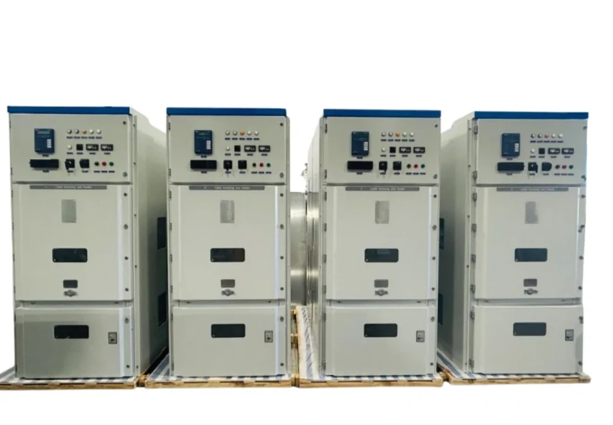
One of the essential components in these systems is medium voltage switchgear, which helps manage electrical power safely and efficiently across industrial environments.
Despite technological advancements, industrial power distribution systems continue to face several operational challenges. These issues can lead to energy loss, equipment damage, unplanned shutdowns, and increased maintenance costs if not properly addressed. Understanding these common challenges and implementing preventive strategies can help facilities maintain system reliability and long-term performance.
Industrial power distribution refers to the network of electrical components responsible for transmitting electricity from the utility source to machinery, equipment, and operational systems within a facility. These systems typically include transformers, circuit breakers, switchgear, control panels, busbars, protective relays, and cables.
Because industrial operations often involve high electrical loads, complex machinery, and continuous production cycles, the distribution network must be capable of handling demanding conditions while maintaining stability and safety.
See also: How Technology Is Revolutionizing Healthcare Access
One of the most common challenges in industrial power distribution is poor power quality. Electrical disturbances such as voltage sags, harmonics, spikes, and transient surges can negatively impact equipment performance and operational efficiency.
Poor power quality can lead to:
Facilities can reduce power quality issues by:
Routine monitoring allows maintenance teams to detect abnormalities early before they escalate into major operational problems.
Overloading occurs when electrical systems carry more current than they are designed to handle. This issue is common in growing industrial facilities where additional equipment is added without upgrading the power distribution infrastructure.
Excessive electrical loads can result in:
Preventive measures include:
Proper system design and periodic evaluations are essential for avoiding unnecessary strain on the distribution network.
Many industrial facilities continue to operate using electrical systems that are decades old. Aging infrastructure often struggles to meet modern energy demands and safety standards.
Older electrical systems may experience:
These issues increase the likelihood of unexpected failures and costly downtime.
Industrial facilities can reduce the risks associated with aging infrastructure by:
Modernizing critical components improves operational reliability and enhances workplace safety.
Neglecting electrical maintenance is a major contributor to industrial power distribution failures. Without routine inspections and servicing, minor issues can quickly develop into serious system problems.
Inadequate maintenance can cause:
An effective maintenance strategy should include:
Predictive and preventive maintenance programs are particularly valuable because they help identify developing issues before failures occur.
Grounding is essential for protecting personnel, equipment, and electrical systems from fault currents and voltage surges. Improper grounding can create dangerous operating conditions and increase the risk of equipment damage.
Facilities may notice:
To maintain proper grounding:
A well-maintained grounding system helps stabilize voltage levels and improves overall electrical safety.
Arc flash incidents are among the most dangerous electrical hazards in industrial environments. An arc flash occurs when electrical current travels through the air between conductors or to ground, producing extreme heat and pressure.
Common causes include:
Arc flash incidents can result in:
Industrial facilities can minimize arc flash risks by:
Modern protective relays and fast-acting breakers also help reduce the severity of arc flash incidents.
Voltage drops occur when electrical voltage decreases as power travels through the distribution system. Excessive voltage drops can reduce equipment performance and increase energy consumption. For a reliable solution, you can explore Meta Power Solutions, the leading manufacturer and supplier of transformers and switch boards.
Voltage drops are often caused by:
Low voltage can lead to:
To reduce voltage drops:
Improving system efficiency not only enhances equipment performance but also reduces energy costs.
Harmonics are unwanted electrical frequencies generated by nonlinear devices such as variable frequency drives, UPS systems, and automated machinery. Excessive harmonic distortion can affect power quality and system reliability.
Harmonics can contribute to:
Facilities can manage harmonics by:
Proper harmonic management improves electrical efficiency and reduces unnecessary wear on equipment.
Industrial electrical systems often operate in harsh environments where moisture, dust, chemicals, and extreme temperatures can damage components and reduce reliability.
Electrical equipment may be affected by:
To protect electrical infrastructure:
Environmental protection measures significantly improve equipment longevity and operational reliability.
Without proper monitoring, facilities may not detect electrical problems until equipment failure occurs. Modern industrial operations require continuous monitoring to maintain stable and efficient power distribution.
Real-time monitoring provides:
Industrial facilities often use:
Data-driven monitoring helps maintenance teams respond quickly to developing issues and optimize overall system performance.
Even advanced electrical systems can fail if personnel are not properly trained. Human error remains a significant factor in many industrial electrical incidents.
Employees should understand:
Effective training programs help:
Continuous education ensures employees remain informed about evolving safety standards and technologies.
Industrial power distribution systems are essential for maintaining productivity, equipment reliability, and workplace safety. However, challenges such as poor power quality, overloading, aging infrastructure, grounding problems, harmonic distortion, and inadequate maintenance can significantly affect system performance.
Preventing these issues requires a proactive approach that includes regular inspections, proper maintenance, modern monitoring systems, employee training, and strategic infrastructure upgrades. By identifying potential risks early and implementing preventive measures, industrial facilities can reduce downtime, improve efficiency, and extend the lifespan of critical electrical equipment.
As industrial operations continue to evolve, maintaining a reliable and resilient power distribution system will remain a key priority for ensuring long-term operational success.